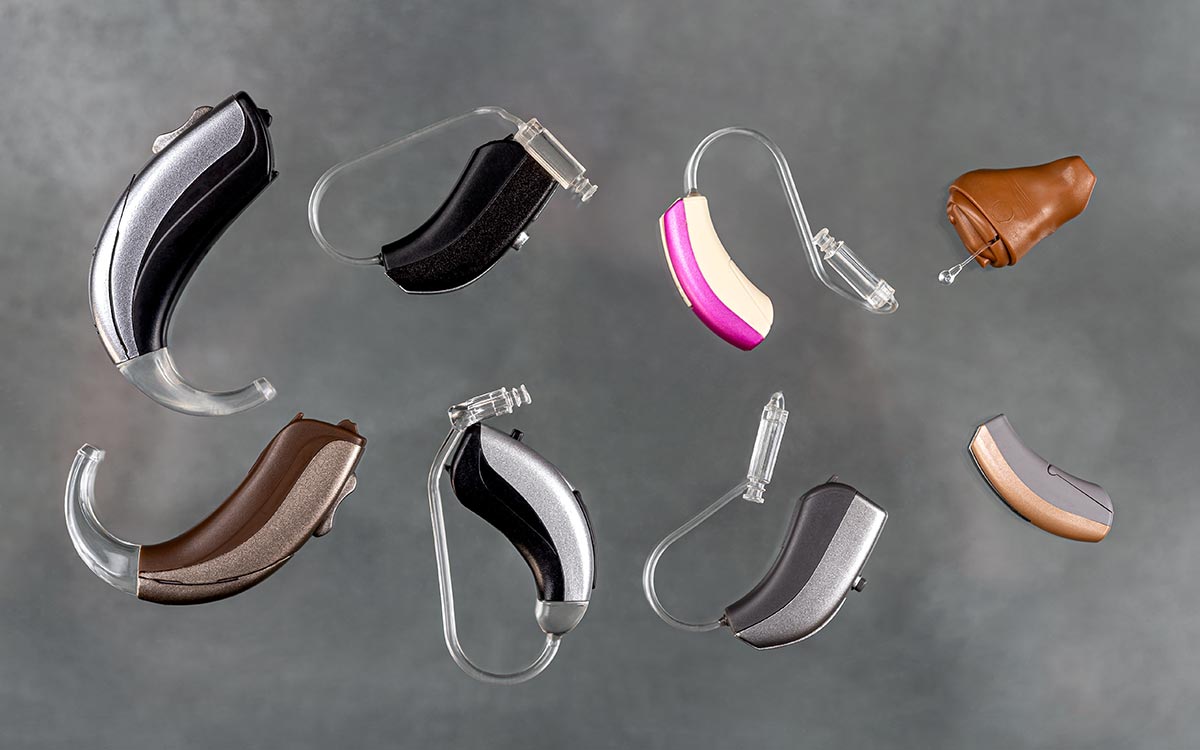
The total volume of hearing aid designs and technology levels on the market today can make the selection process feel complicated. However, a specialized hearing solution exists for every person’s unique needs and daily habits. Success lies in locating the specific aid that meets your personal preferences.
Understanding the differences among the most popular types of hearing aids can help you feel more informed and confident as you explore your options. We are planning to study the primary styles available today to help you understand what sets each option apart.
In-the-Canal (ITC) Hearing Aids
What they are:
An ITC device is designed to rest partially within the ear canal while showing just a small section in the outer ear area.
Key Selling Points:
- Less apparent than conventional full-size models
- Tailored to the unique shape of your ear
- Appropriate for mild to medium hearing loss
First-time wearers frequently lean toward ITC aids because they strike an ideal compromise between size and performance.
IIC (Invisible-in-Canal) Technology
What they represent:
IIC models are the most tiny custom-fitted auditory solutions you can choose. They are inserted deep within the canal to remain hidden from view.
Primary Motivations:
- The best choice for users prioritizing appearance
- Strategic placement allows for a very organic listening experience
- Lightweight and comfortable
Because of their tiny size, IIC devices typically work best for mild to moderate hearing loss and for those who prefer an almost invisible option.
ITE (In-the-Ear) Model Summary
Product Details:
An ITE hearing aid fits snugly within the outer ear, available in both full-shell and half-shell configurations. These are custom-fabricated for an exact fit based on your ear’s anatomy.
Why users prefer ITE:
- Increased size allows for more features and longer battery life
- The physical size is simpler to grip and adjust for users with fine motor concerns
- A versatile choice that can address even significant levels of hearing loss
The all-in-one style of the ITE design makes it an ideal choice for those who dislike behind-the-ear equipment.
Traditional Behind-the-Ear (BTE) Units
Technical Detail:
An external hearing aid is worn outside the ear for an optimal fit. Audio travels through a specialized tubing or custom-fit mold into the ear opening.
Common Reasons:
- Known for remaining remarkably adaptable and robust
- Provides an extensive range of amplification suitable for nearly any user
- The spacious housing allows for high-tech extras and built-in power cells
BTE devices are a wonderful option for individuals seeking reliability, ease of use, and strong amplification.
Modern RIC (Receiver-in-Canal) Models
Mechanical Setup:
While they match BTE units, RIC aids place the speaker directly in the canal for better sound delivery.
Why they are favored:
- Provides an exceptionally clear and lifelike listening experience
- Compact, lightweight, and comfortable
- Flexible enough to treat a broad number of hearing impairments
RIC units are extremely common currently because they balance appearance with powerful functionality.
Understanding Long-Term Systems
What they represent:
An audiologist places these specialized hearing aids deep into the canal, where they remain for multiple weeks.
Why people choose them:
- Eliminates the requirement to put in or take out the device every day
- They are virtually impossible for others to notice because of their depth
- Engineered to be worn throughout everyday activities, including sleeping and exercising
Extended-wear devices are perfect for those who want an effortless approach.
Wireless Smart Connectivity
Tech Specs:
Connectivity-focused hearing aids that utilize Bluetooth to integrate with your digital life.
Modern Perks:
- Enjoy immediate audio streaming from your phone or TV right into your ears
- Provides a discreet method to manage your hearing environment from your mobile screen
- Perfectly suited for the needs of an advanced, connected individual
You can find Bluetooth capabilities built into an array of form factors, from RIC and BTE to custom ITC designs.
Alternative Surgical Solutions
Procedure Info:
This technology requires a surgical procedure to place a device that physically stimulates the bones of the middle ear.
Why people choose them:
- An accessible path for patients who are unable to wear standard acoustic devices
- This is a specialized alternative for those with chronic ear canal sensitivity.
A complete meeting with an ENT professional is necessary before considering a middle-ear implant.
Finding the Hearing Aid That Suits Your Lifestyle
Every hearing aid style offers its own advantages, and the right option depends on your level of hearing loss, comfort preferences, lifestyle, and cosmetic considerations. An expert can provide the guidance needed to test out different styles and find the one that fits your life perfectly.
If you’re ready to explore the possibilities, schedule a hearing evaluation today. It is the most important step you can make toward an increasingly vibrant and confident life.
Sources:
https://www.mayoclinic.org/diseases-conditions/hearing-loss/in-depth/hearing-aids/art-
20044116
https://www.hearinglife.com/hearing-aids/types
https://www.nidcd.nih.gov/health/hearing-aids