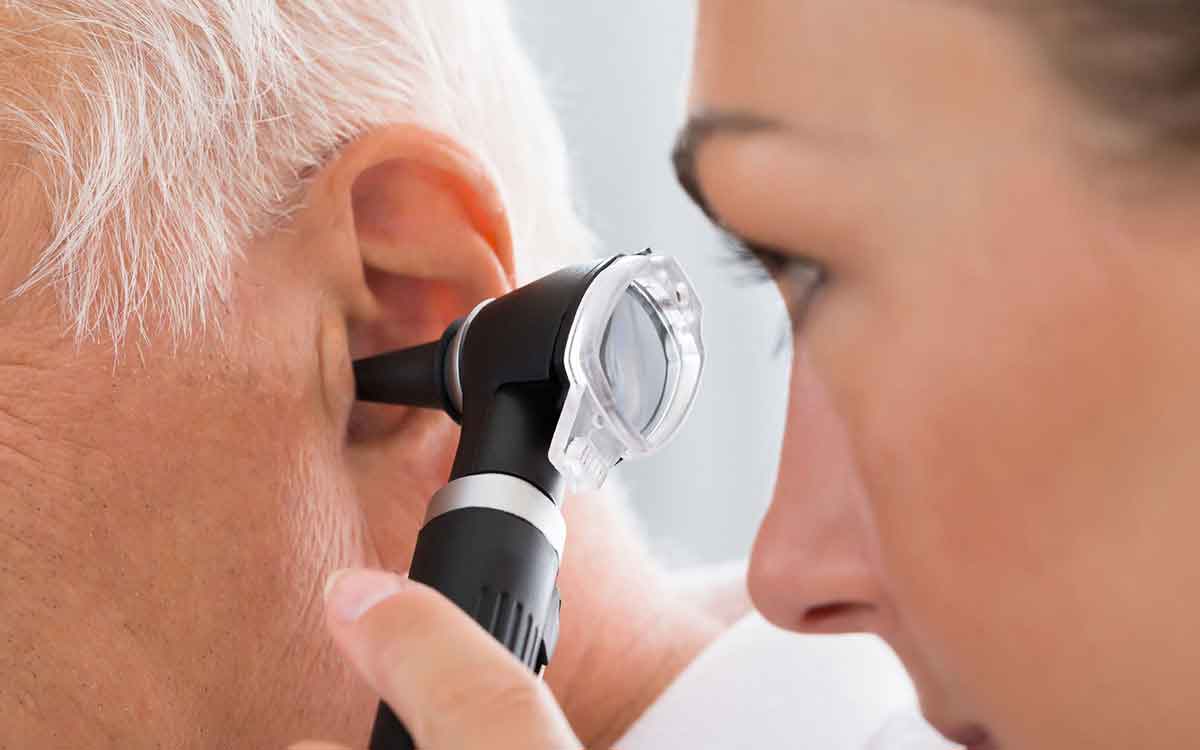
Auditory decline frequently manifests as an incremental process, which often results in the condition being missed during its early development. It is common for people to adjust to hearing shifts by elevating device volume and steering clear of gatherings with significant background noise.
Prioritizing an initial evaluation can assist in protecting hearing health.
Common Symptoms of Early Hearing Loss
If you observe any of the following symptoms, it is recommended to schedule a professional evaluation.
- Impaired speech discrimination during dialogue within high-noise areas.
- Frequent instances of asking for verbal repetitions during daily interactions.
- Muffled or unclear speech, making it difficult to distinguish specific sounds.
- Turning up the volume on the television and mobile devices to levels that others find excessive.
- Trouble perceiving high-frequency audio, including high-frequency vocalizations, birds, or electronic alerts.
- The presence of tinnitus, manifesting as ringing or buzzing in the ears.
- Feeling mentally exhausted after conversations, resulting from the strain of auditory processing.
- Retreating from group interactions since following speech feels taxing.
Initial symptoms of auditory decline might manifest in either one or both ears and vary in frequency initially. Because the brain adapts quickly, many people fail to recognize the extent of their subconscious adjustments until hearing loss becomes more noticeable.
Hearing Loss By The Numbers
According to official WHO data, more than 700 million people will require hearing rehabilitation by 2050. Other significant statistics involve:
- By 2050, nearly 2.5 billion people are projected to have some degree of hearing loss.
- Over 5% of the world’s population (430 million people) necessitates support to address disabling hearing loss.
- More than 1 billion younger individuals are at risk of permanent hearing loss due to unsafe listening practices.
- Among those aged 60 and older, more than one-quarter have disabling hearing loss.
The Critical Importance of Early Identification
Neglecting hearing changes may lead to systemic health consequences that are frequently overlooked.
Clinical research connects hearing loss with increased risks of social isolation, depression, impairment, and equilibrium problems.
Identifying symptoms at an early stage ensures more effective outcomes and diverse management strategies.
A hearing evaluation helps identify if shifts stem from age-related hearing loss, noise exposure, earwax buildup, infection, or underlying pathology.
In some cases, auditory shifts are temporary and reversible.
For chronic conditions, the early implementation of ear defense or hearing technology assists in managing the condition.
Indications for a Professional Hearing Evaluation
An audiological visit is recommended if you experience:
- Symptoms last longer than a few weeks.
- Difficulty hearing begins to influence professional tasks or personal routines.
- Instances of sudden decline, vertigo, or chronic tinnitus warrant urgent clinical attention.
Assessments for hearing are comfortable and safe, offering essential information into your ear health.
Contact our professional team today if you think you could benefit from a hearing evaluation.
Common Questions About Early-Stage Hearing Loss
Q: Are all auditory changes linked to getting older?
Answer: No. While common in seniors, hearing impairment can be caused by medications, loud noise, infections, or hereditary conditions.
Q: Can auditory impairment be clinically reversed?
Answer: Certain etiologies, such as earwax impaction or localized infection, are treatable. Permanent sensorineural hearing loss is typically managed using advanced hearing devices and management protocols.
Q: At what intervals should I have my hearing evaluated?
A: Adults should have a baseline hearing test by age 50, or earlier if symptoms or risk factors are present.