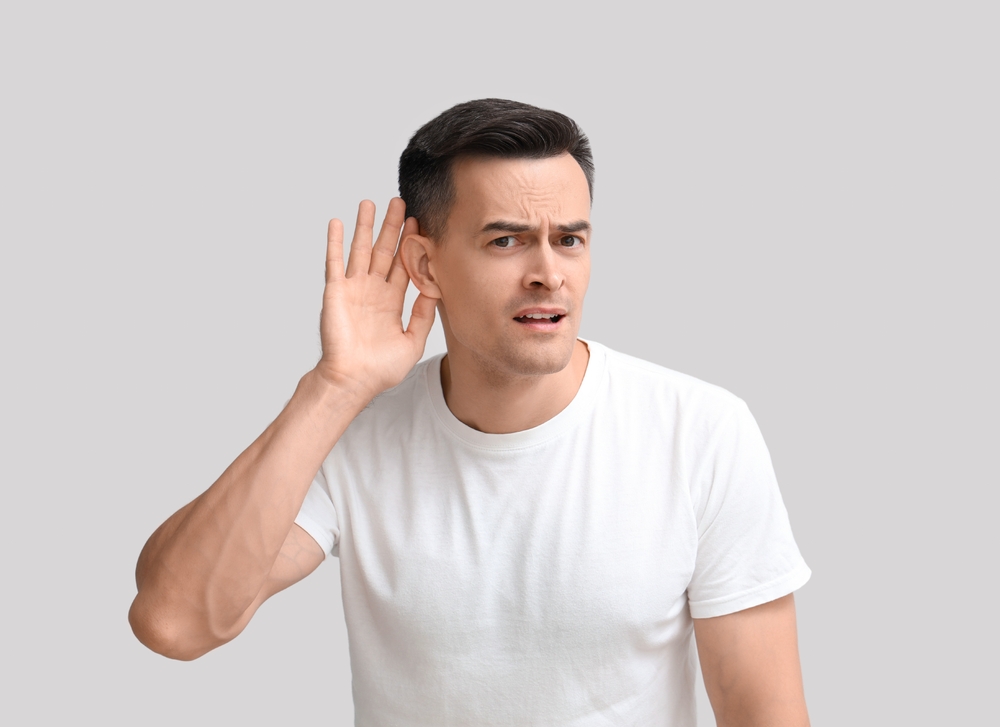
Have you noticed a distinct sense of exhaustion after participating in lengthy verbal interactions?
It is easy to misattribute this fatigue to general stress, lack of sleep, or sensory overload. While social gatherings are inherently demanding for people with sensory sensitivities, there may be another factor at play. But in some cases, the cause is a lesser-known culprit: auditory fatigue.
Auditory fatigue happens when your brain has to work harder to process sound. The brain’s attempt to reconstruct incomplete audio data requires an immense amount of “processing power” and neural energy. Sustained periods of this “effortful listening” eventually lead to total cognitive depletion.
Many people mistake auditory fatigue for ordinary tiredness. Critically, this exhaustion is often a primary indicator of underlying auditory pathologies. A professional diagnostic evaluation is necessary to confirm if hearing loss is the root cause of your exhaustion. Persistent patterns of post-social exhaustion warrant a discussion regarding the impact of hearing loss.
What Causes Auditory Fatigue?
Various stressors can overtax the auditory cortex, leading directly to the onset of auditory fatigue.
The Hidden Cost of Ignoring Hearing Loss
The absence of treatment for hearing loss is the most frequent driver of this neurological strain.
If the peripheral auditory system fails to deliver clear data, the brain must use context clues to guess the missing information. This perpetual state of “phonemic guessing” elevates cognitive load and triggers rapid burnout during dialogue.
Noisy Environments
Acoustically complex settings serve to intensify the demand on the brain’s filtering systems. Restaurants, meetings, family gatherings, and social events often include background noise competing with speech.
The presence of competing sounds forces the brain’s “noise-cancellation” filters to work at maximum capacity. This biological workload frequently triggers cognitive overload, particularly when any level of hearing loss is present.
Tinnitus and Sound Distortion
The presence of tinnitus creates a dual-processing burden, forcing the brain to manage both phantom internal signals and legitimate external sound.
Sound distortion caused by hearing loss can further increase strain, forcing the brain to work even harder to understand speech.
How to Recognize the Onset of Auditory Fatigue
The manifestations of auditory fatigue impact both cognitive performance and systemic energy reserves. Common signs include:
- Feeling mentally drained after conversations
- Struggles with cognitive focus during collaborative sessions
- Onset of tension headaches following sustained auditory focus
- Increased emotional volatility in loud or busy environments
- Social retreat to avoid the stress of auditory processing
- Needing a nap or quiet time after social interaction
If these symptoms occur frequently, it may indicate that your ears and brain are working harder than they should.
How the Brain Compensates for Hearing Impairment
When hearing is clear, the brain can process speech almost effortlessly. However, when hearing loss is present, the brain must allocate more cognitive resources to decode sounds.
Audiologists and neurologists define this extra effort as a high cognitive load. It involves the brain siphoning energy from memory retrieval and focus to prioritize basic speech understanding. This continuous drain on the brain’s “battery” leads to chronic daily exhaustion. Standard dialogue, which should be easy, becomes a high-intensity cognitive task.
Using Clinical Evaluations to Uncover Auditory Strain
A formal auditory screening is the most effective way to determine why you feel so drained. The evaluation process includes mapping your hearing range and measuring your speech discrimination accuracy. They may also evaluate how well you understand speech in background noise, which can reveal challenges that may not appear in quiet settings.
A professional assessment confirms the link between your ears and your exhaustion, enabling targeted care. Early diagnosis facilitates prompt intervention, preventing the onset of chronic cognitive load issues.
Restoring Energy Through Hearing Care
The right hearing treatment acts as a “pressure release valve” for the brain’s processing centers.
Advanced hearing aids utilize AI to sharpen speech signals while simultaneously suppressing irrelevant environmental noise. The brain can finally rest, receiving data that is easy to interpret and understand.
As the cognitive burden of hearing is lifted, patients typically report gains in:
- Mental energy throughout the day
- Focus during conversations
- A return to enjoying busy restaurants and gatherings
As the brain stops struggling to hear, the world of sound becomes a source of joy rather than a source of stress.
Is it Time for a Professional Hearing Check?
Consider booking a hearing test if any of the following rings true:
- Socializing feels like a high-intensity mental workout
- Others comment on your need for frequent repetition during social calls
- Following a group talk in a restaurant feels nearly impossible
- You have begun declining invitations because you are tired of the effort to hear
Resolving these issues today ensures a higher standard of living and better cognitive health for the future.
What You Need to Know About Auditory Fatigue
Are Fatigue and Loss Identical?
No—fatigue is the “symptom” (burnout), whereas loss is often the “cause” (the impairment). However, hearing loss is one of the most common causes of auditory fatigue.
Will Hearing Devices Fix My Burnout?
Yes. By improving sound clarity and reducing background noise, hearing aids can significantly decrease the mental effort required to understand speech.
Is This Exhaustion a Permanent Condition?
In many cases, auditory fatigue improves when the underlying cause (like untreated hearing loss) is addressed with proper evaluation and treatment.
Stop Feeling Drained After Conversations
Socializing should replenish you, not leave you feeling drained. When simple listening becomes a chore, it is a sign of an inefficient auditory processing loop.
Schedule your hearing test today by contacting us today. The path to social confidence and mental clarity begins with accurate hearing data.