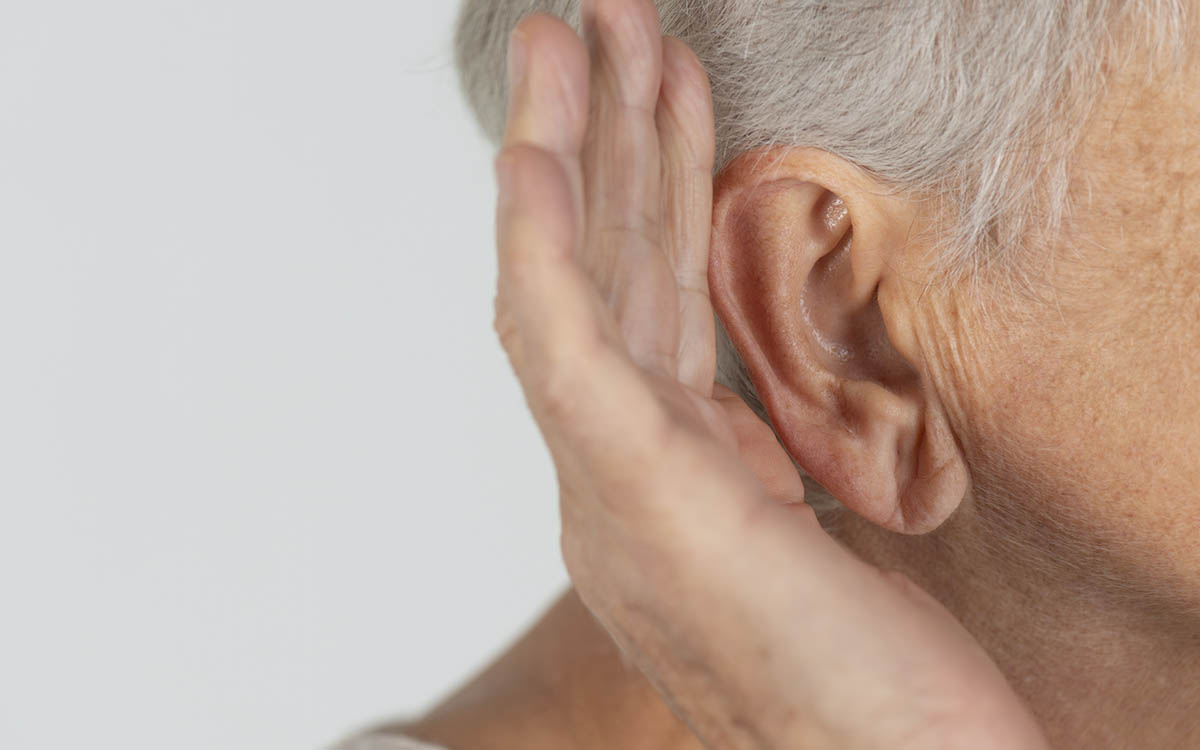
Commonly, clinicians link hearing loss to senescence, though for a significant portion of the population, hearing damage begins much sooner. Noise-induced hearing loss represents a common, preventable auditory pathology, escaping notice until it becomes a permanent condition.
Understanding how noise exposure impacts your ears over time facilitates proactive protection before significant hearing loss occurs.
Pathophysiology of Sound-Induced Auditory Trauma
The pathology of noise-induced hearing loss involves trauma to the sensitive anatomical structures within the inner ear. Data from the CDC indicate that, sustained or frequent exposure to sounds exceeding 85 decibels, such as heavy traffic, can initiate auditory damage. Louder sounds, like those from concerts, power tools, or firearms, can cause damage in minutes or even seconds.
Inside the inner ear are tiny sensory cells called hair cells. These receptors facilitate the conversion of acoustic vibrations into electrical signals decoded by the brain. Because hair cells cannot repair or replace themselves once damaged, hearing loss resulting from noise is generally a permanent physiological state.
The Progression of Acoustic Injury
A primary clinical concern regarding noise-induced hearing loss is its typically slow rate of progression. Initial signs of auditory overexposure may present as:
- Transient auditory sensations such as ringing or buzzing (Tinnitus)
- A feeling of muffled hearing after loud events
- Impaired speech discrimination in the presence of background noise
The cessation of these early symptoms often leads to the false perception that the auditory system has fully healed. Despite the lack of symptoms, persistent noise exposure causes cumulative injury to the ear, incrementally diminishing auditory acuity and threshold sensitivity.
Statistics from the HLAA suggest that 48 million Americans have some form of hearing loss, many unaware of the underlying cause.
Routine Sounds Contributing to Clinical Ear Trauma
In our modern environment, individuals often develop a tolerance or desensitization to high-volume sounds. Due to this, the commonality of injurious sound exposure often goes unrecognized.
Typical noise-generating sources consist of:
- Professional music performances and concert environments
- Personal audio devices utilized at excessive decibel levels
- Gas-powered lawn tools, industrial machinery, and motorcycles
- Professional exposure to high-volume noise in manufacturing and labor industries
The everyday occurrence of these sounds allows for progressive damage to develop without obvious warning.
Implementing Proactive Care in Clinical Hearing Management
A distinguishing factor of noise-induced hearing loss is the lack of clinical reversal options. However, it is highly preventable. Adopting straightforward preventative behaviors can markedly decrease the likelihood of injury, including:
- Using earplugs or noise-reducing earmuffs in loud environments
- Reducing personal audio volume and adhering to the 60/60 safety guideline
- Taking listening breaks to give your ears time to recover
- Ensuring consistent Audiology check-ups for those in high-noise environments
When to Consult with Clinical Audiology Services
Should you experience persistent Tinnitus or a decline in conversational understanding, a professional evaluation is indicated. Early intervention through an Audiologist allows for the monitoring and implementation of essential protective measures.
Prioritizing auditory health now ensures the preservation of hearing clarity for the future. While environmental noise is often inevitable, hearing loss is a preventable outcome. Contact us to coordinate a comprehensive evaluation and ensure your auditory system is functioning at its peak.